INCDFM VISIT
Part of the artists’ team spent a special afternoon at the National
Institute of Materials Physics, one of our research partners in Skin
Territories. This article is informal — a sort of journal that follows the
timeline of the visit and the photos taken by the artists at the Institute.
—
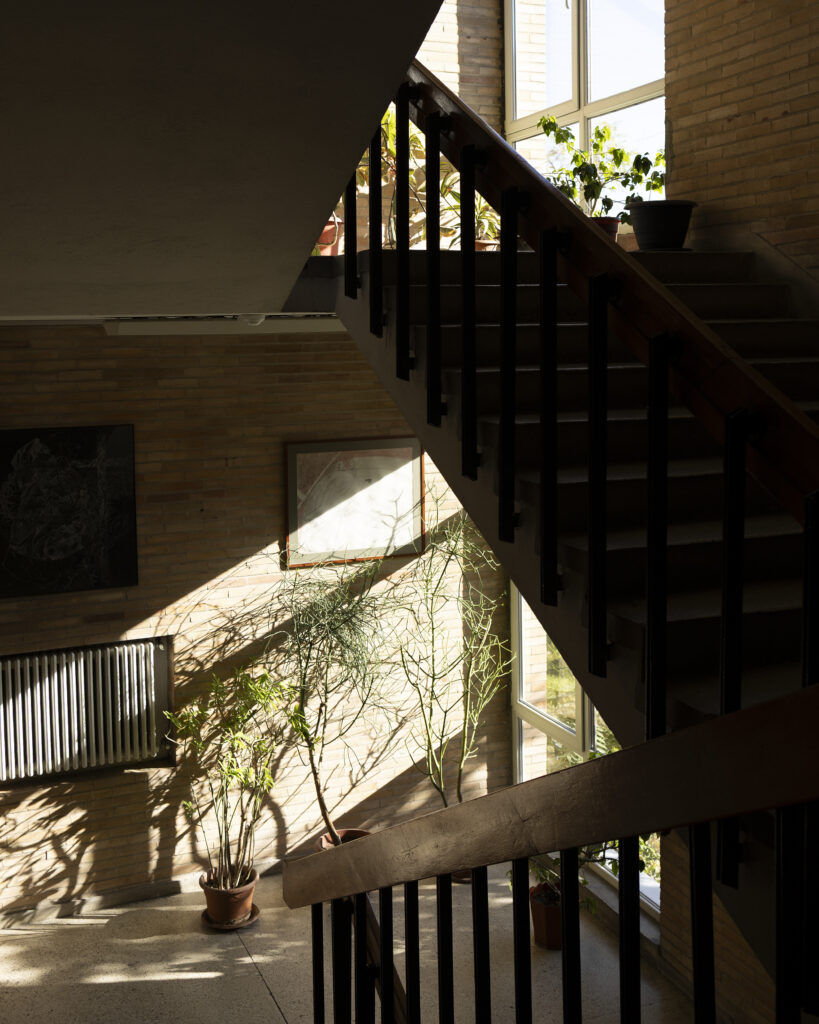
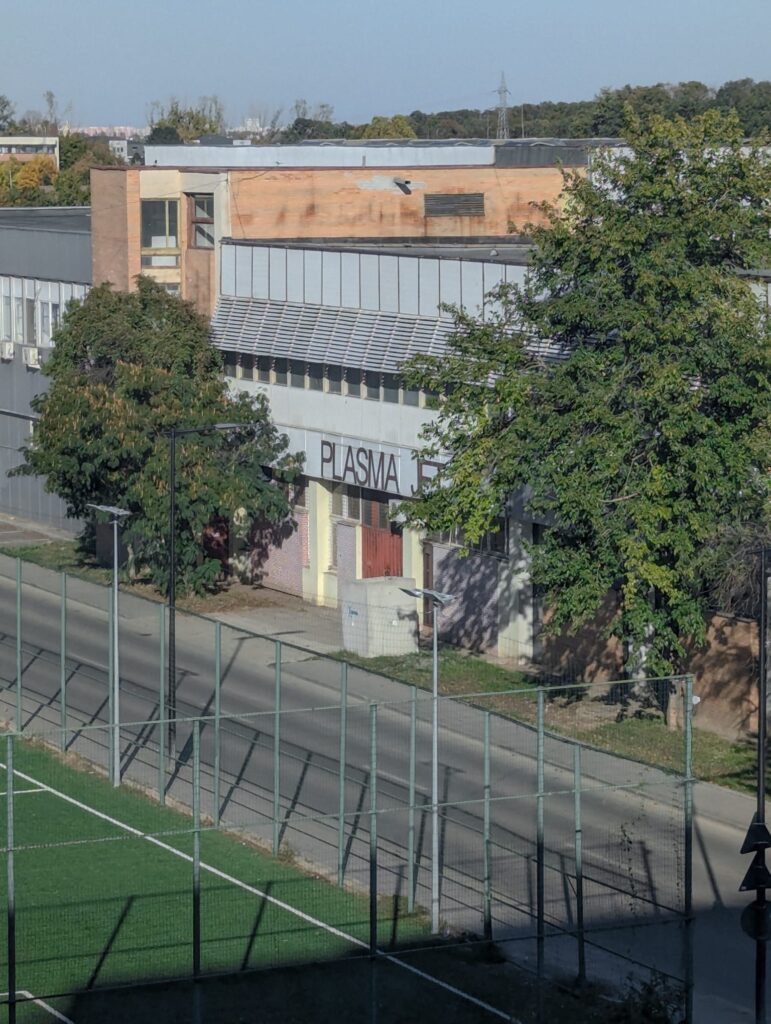
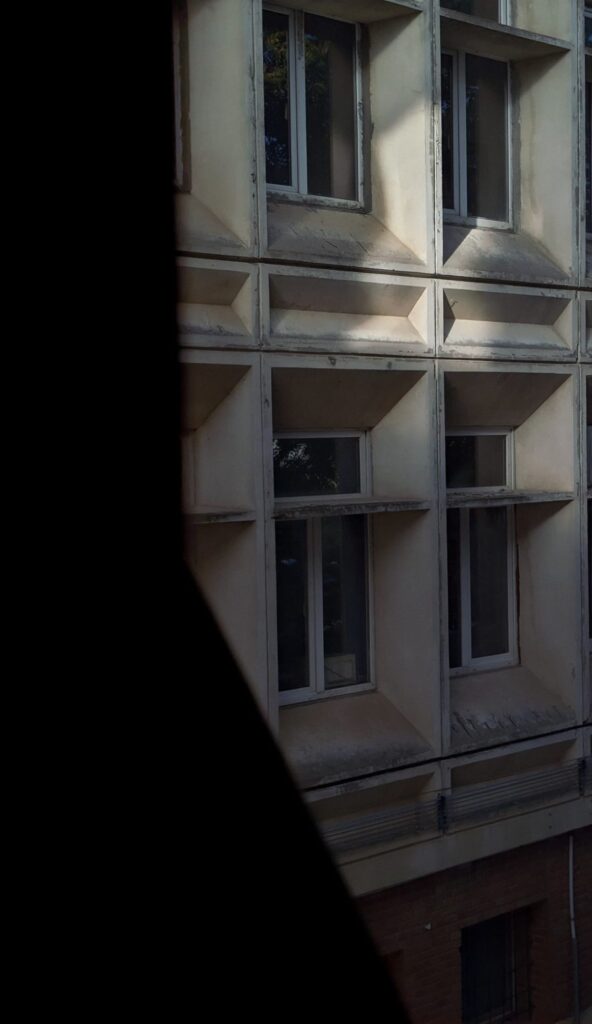
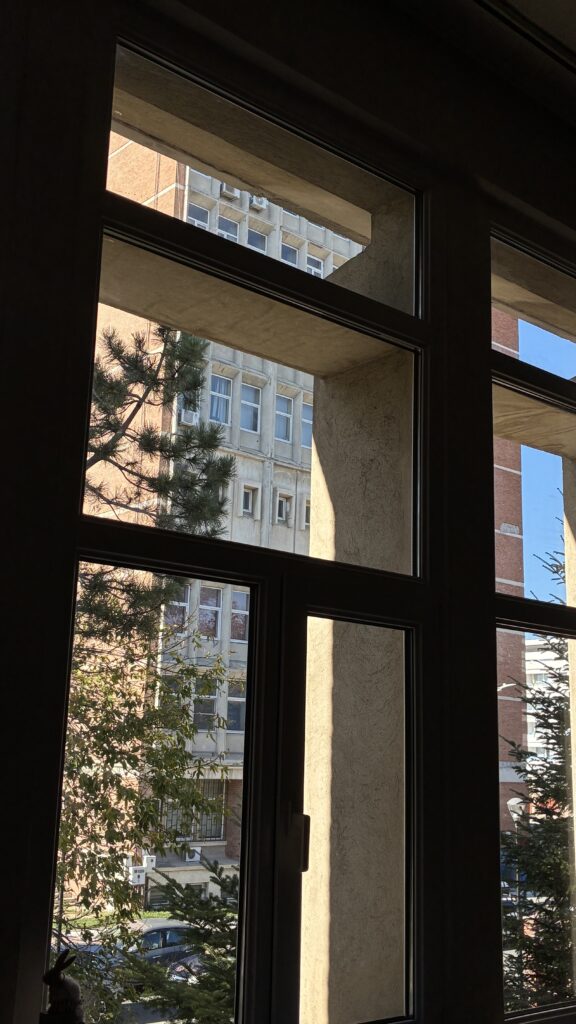
Sunlight cuts through the autumn midday air with almost clinical precision. Clearly, light behaves differently here, as if rehearsed by decades of observation. The city’s architecture still carries the imprint of an era that believed deeply in progress — measured lines, large volumes, functional futurism.
Măgurele remains one of Romania’s most concentrated scientific zones — a campus of research bodies built on the optimism of midcentury rationalism. There are several research institutes here, placing this city on a scientific platform that ends with the Institute of Nuclear Engineering. It’s in the forest, they say, leaving the mind to wonder if we’re dealing with hi-tech fairytales. A very warm welcome from our hosts — the director charmingly opens the dialogue, placing the skin territory directly under the research magnifying glass. We’re introduced to the intricate and complex functions that skin performs, witnessing a very accurate and complete physical portrayal of the largest sensorial human organ. Skin may sound like a deceptively simple subject, but as our hosts underline — it’s infinitely complex, a living interface constantly negotiating between exposure and protection. The conversation moves seamlessly between biophysics and biomedical engineering — between measurable function and theoretical implications. It sometimes slides back to the last century, when the Institute was founded, or, on a lighter trivia note, to who first managed to place the magnetic tape - cassette on the market — the Europeans or the Americans.
Skin is presented to us not only as a surface but also as a dynamic system of exchange. Some current investigations at the Institute focus on transdermal delivery: how active substances can be transported through epidermal layers by means of advanced polymeric devices. The precision of their work is outstanding — every variable measured, every hypothesis built from empirical data, months of trial and error until one path of research becomes plausible or conclusive.
There’s something profoundly aesthetic in this precision — the way molecules are ‘persuaded,’ not forced, to pass through a membrane. The conversation unfolds like a duet between biology and physics, with occasional notes of poetry. We speak of membranes, of transmission, of the subtle and unceasingly negotiated permeability. The discussion soon extends to material science more broadly — to molecular interactions, particle diffusion and the structural behavior of compounds at the micro and nanoscale. It is a reminder that skin, like any interface, operates through physics before it becomes metaphor, by any understanding. At one point, the curator of our artists’ team introduces a conceptual tangent drawn from Didier Anzieu’s theory of the Moi-Peau (EgoSkin) — Anzieu proposed that the self is first experienced through a “psychic skin,” one that acquires holes and seams in infancy, a membrane marked by the early ruptures of contact and absence. To that, the director noted that in material science, the notion of selective permeability defines integrity rather than threatening it. The correspondence between psychic and biological porosity suddenly became corpus in the soft afternoon shades.
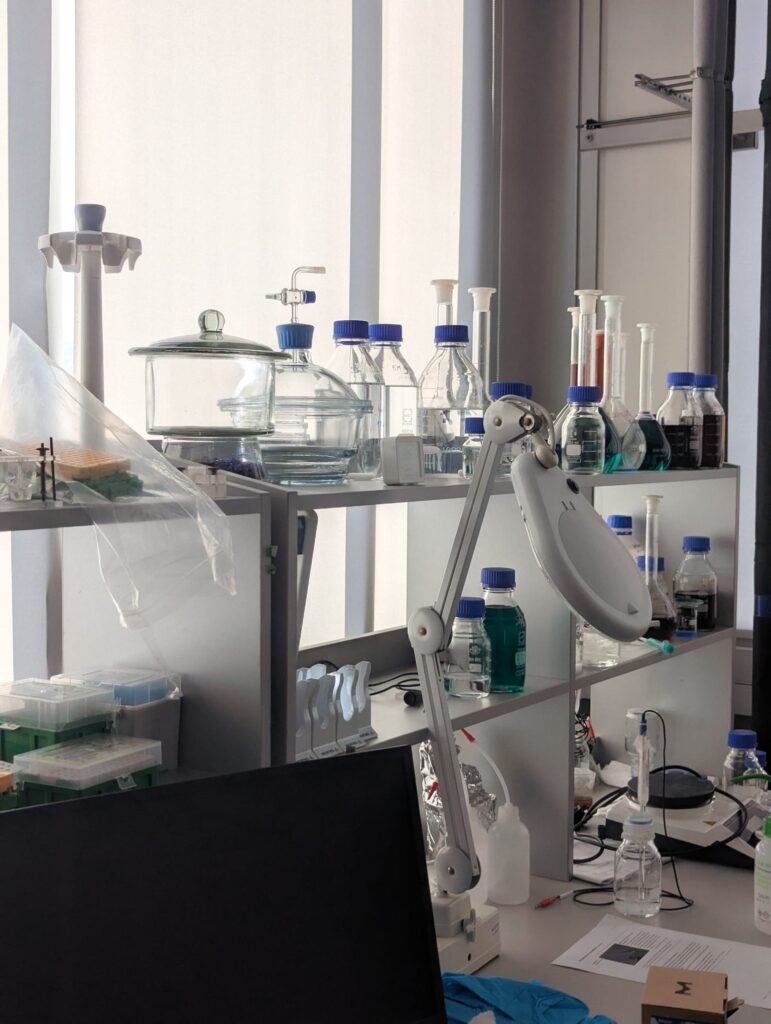
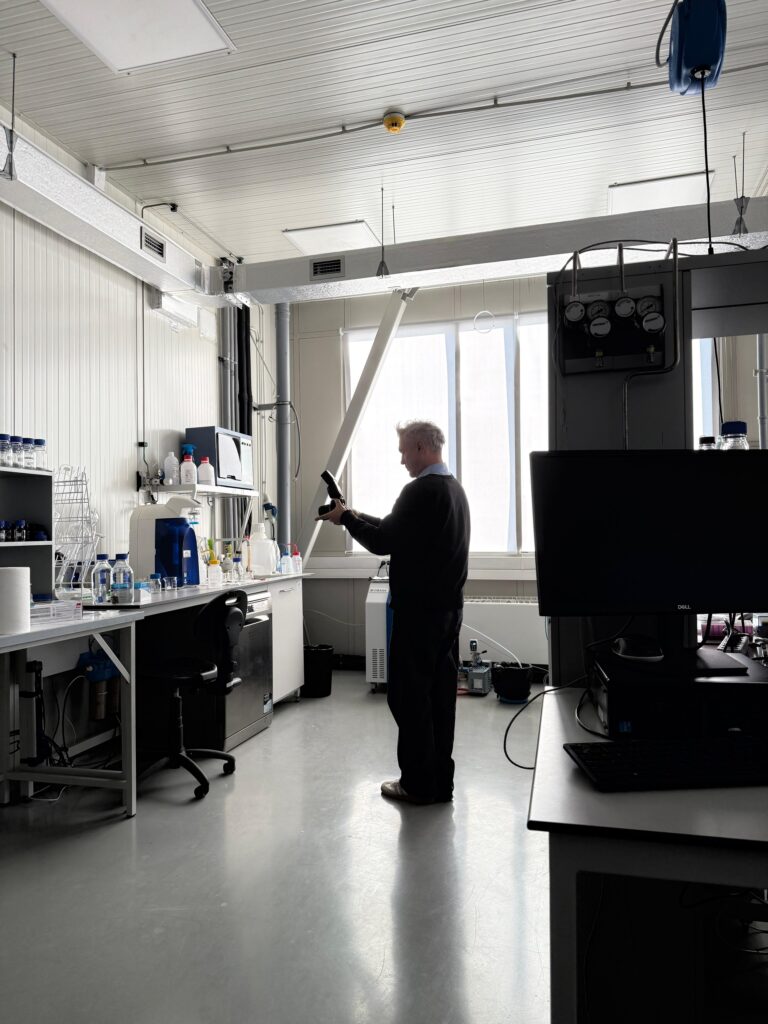
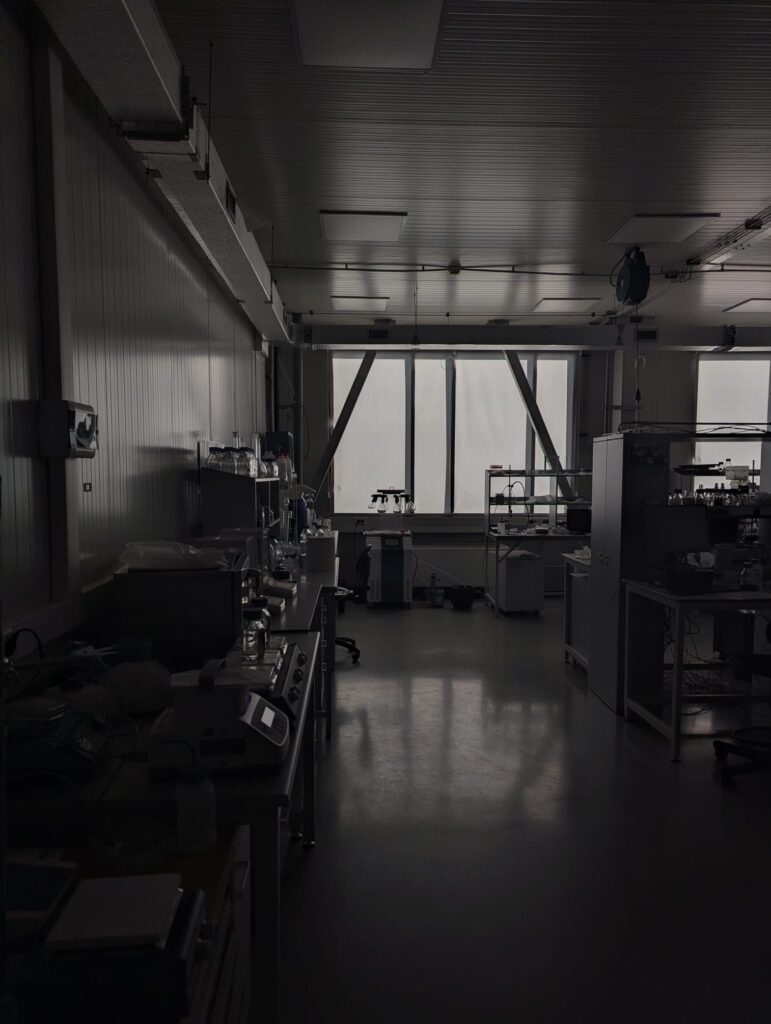
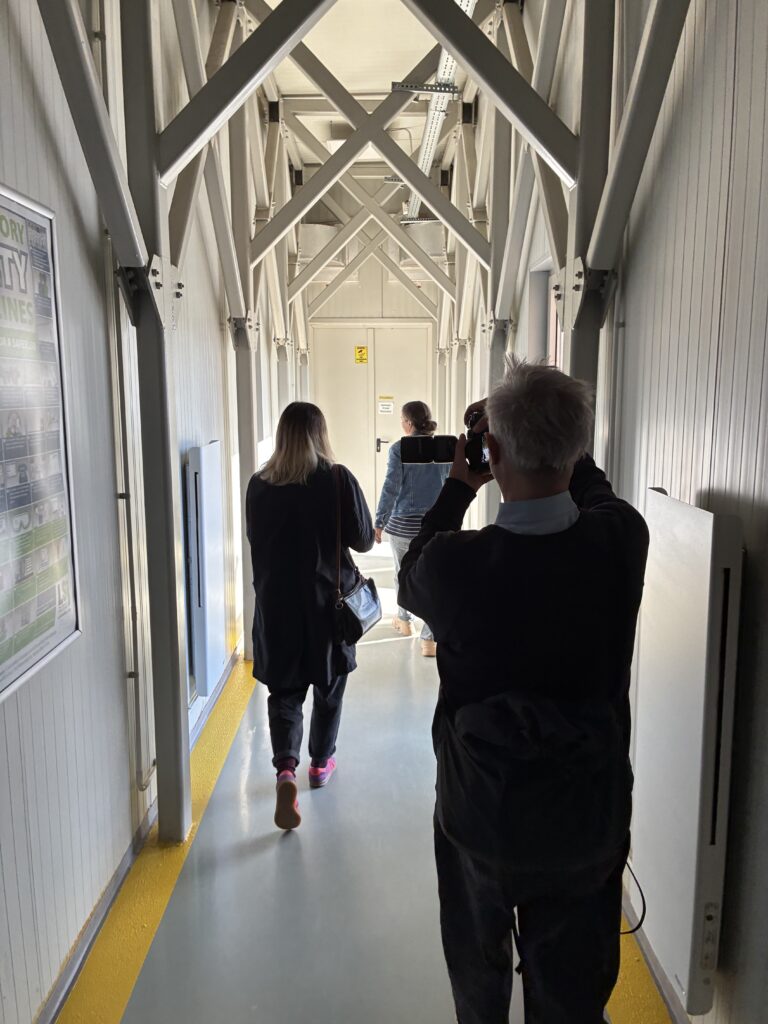
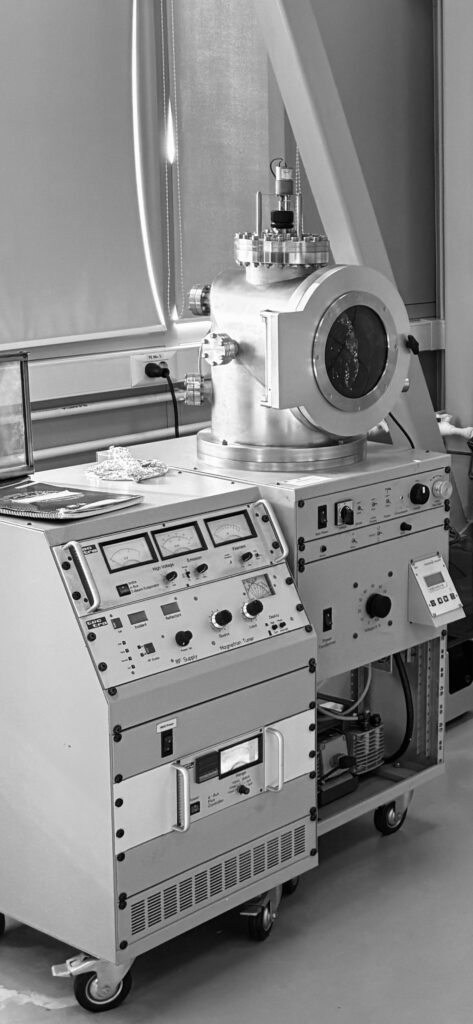
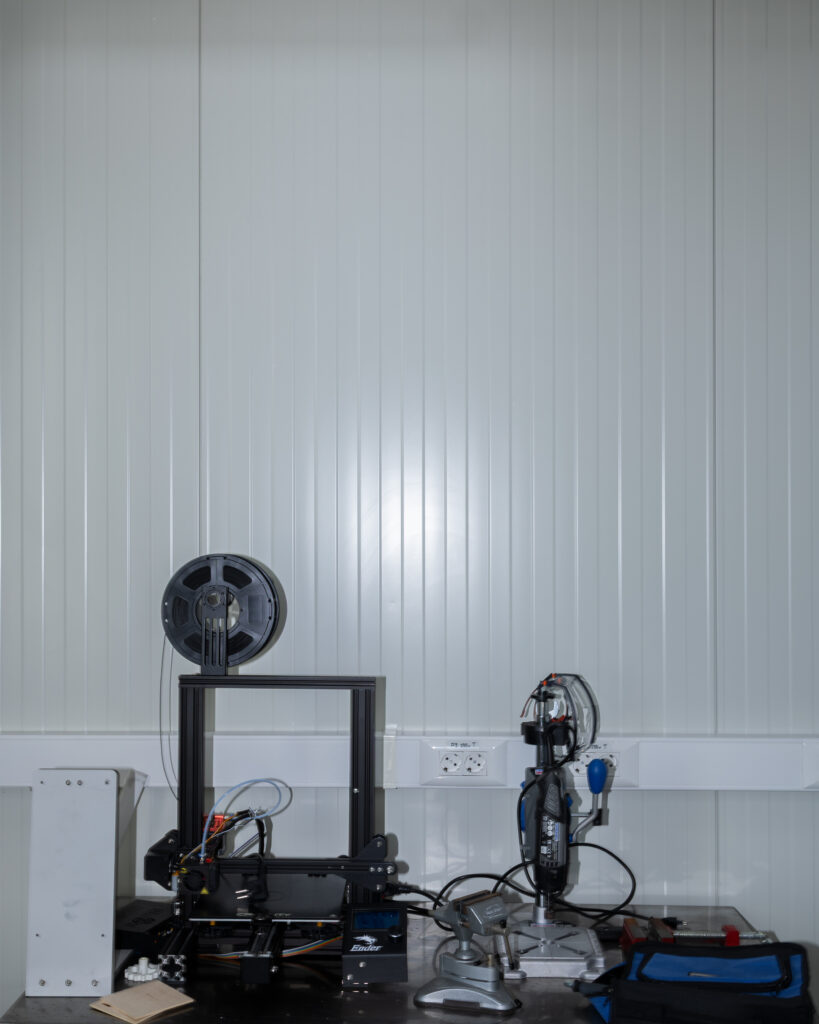
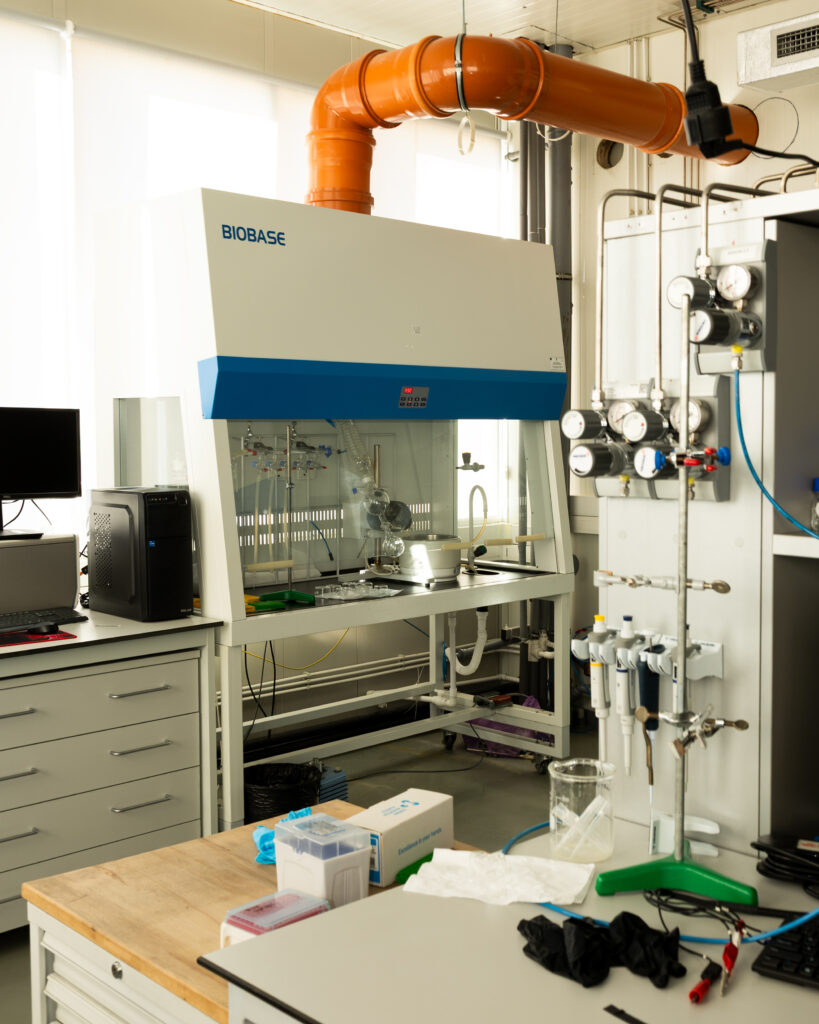
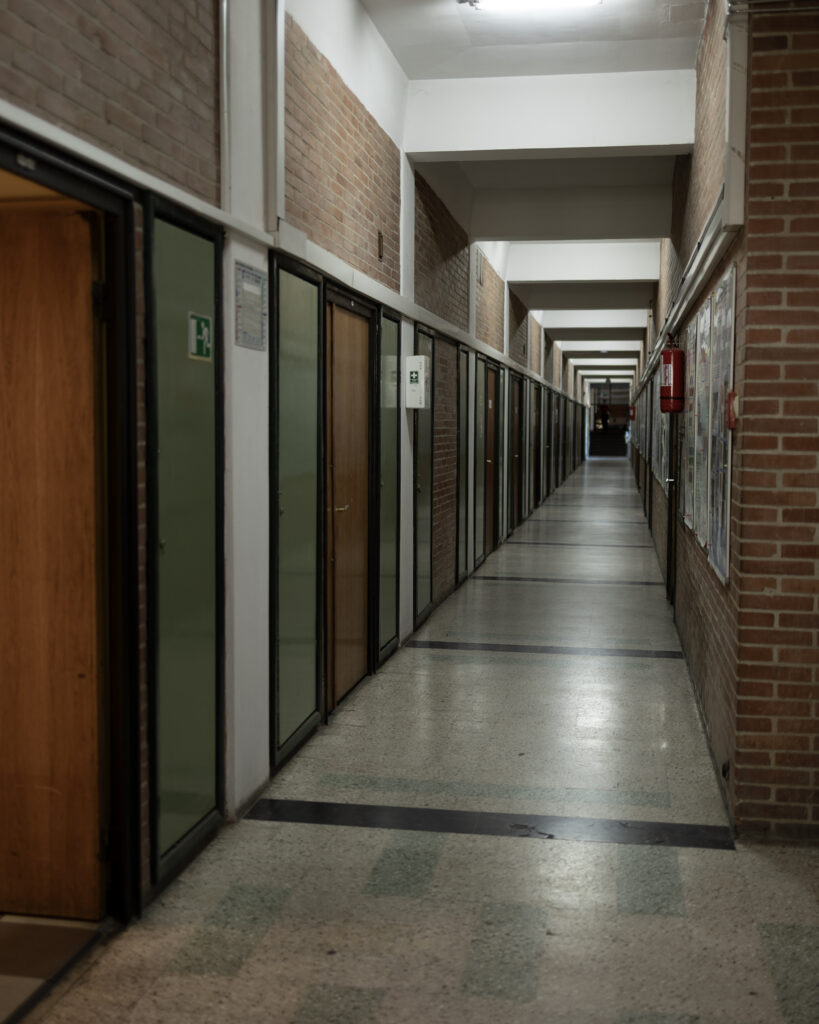
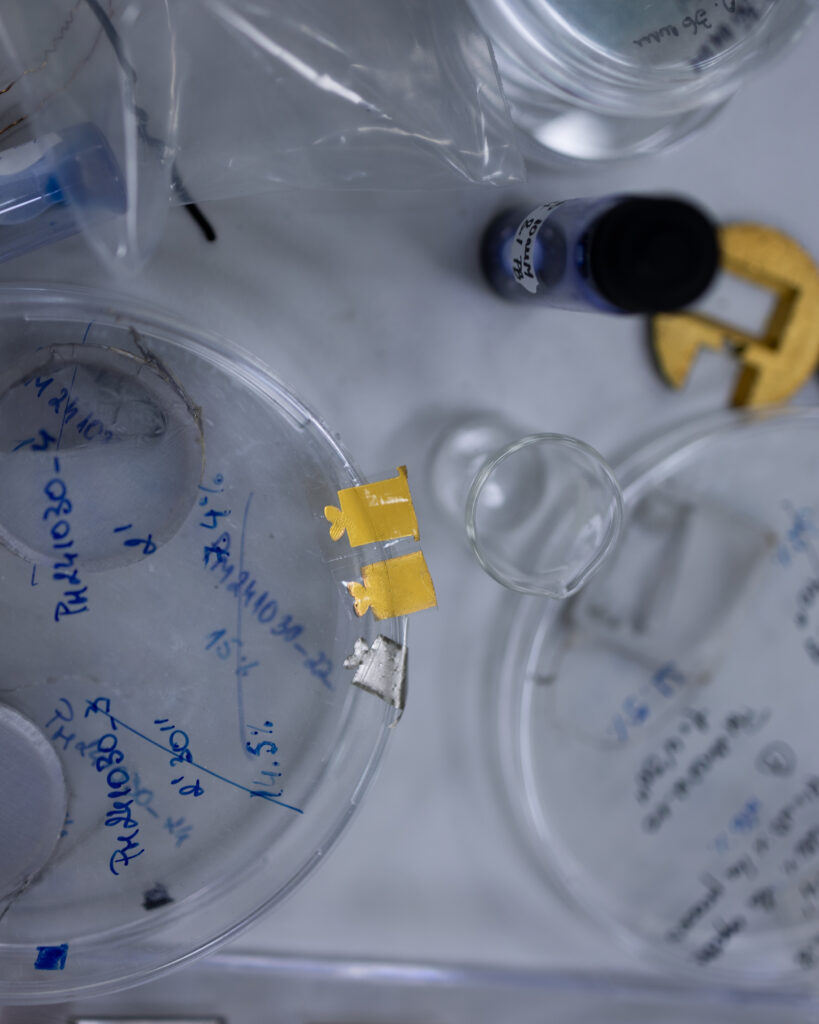
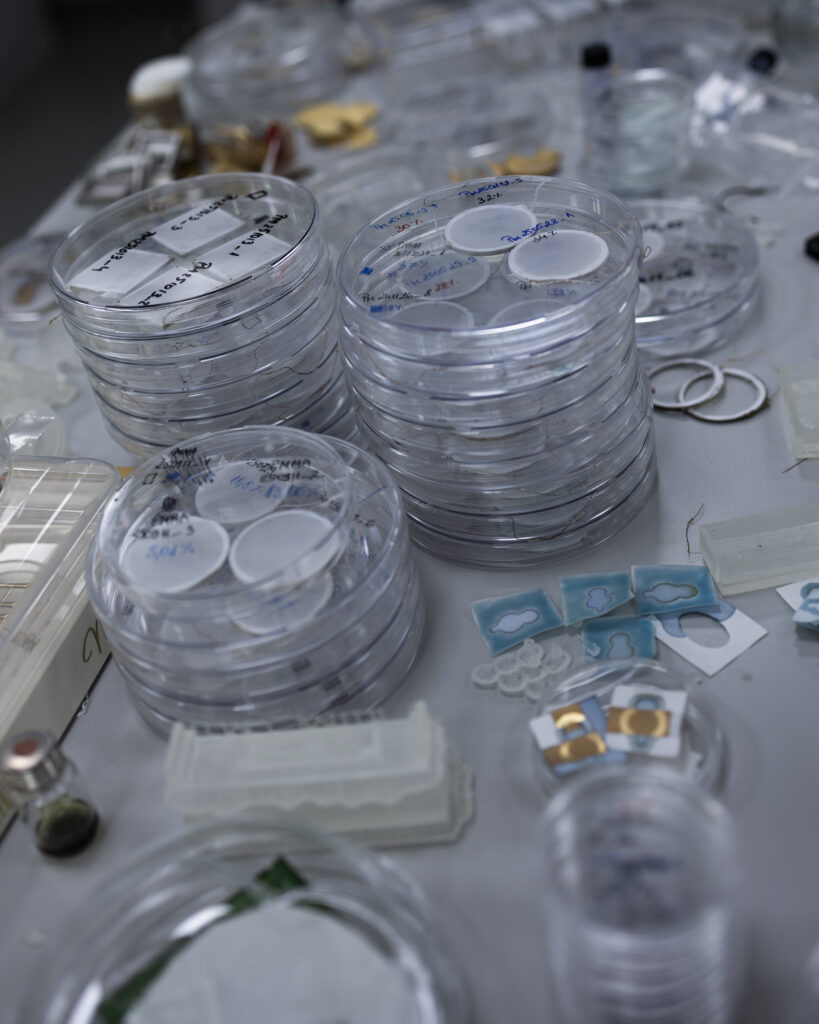
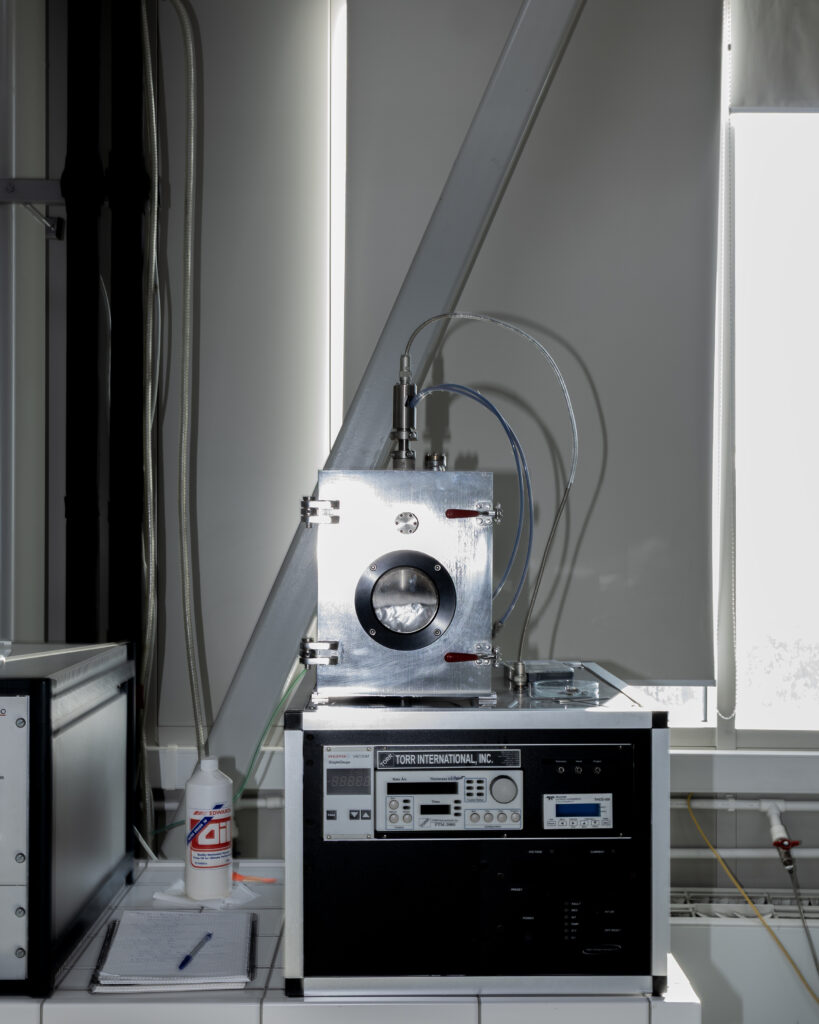
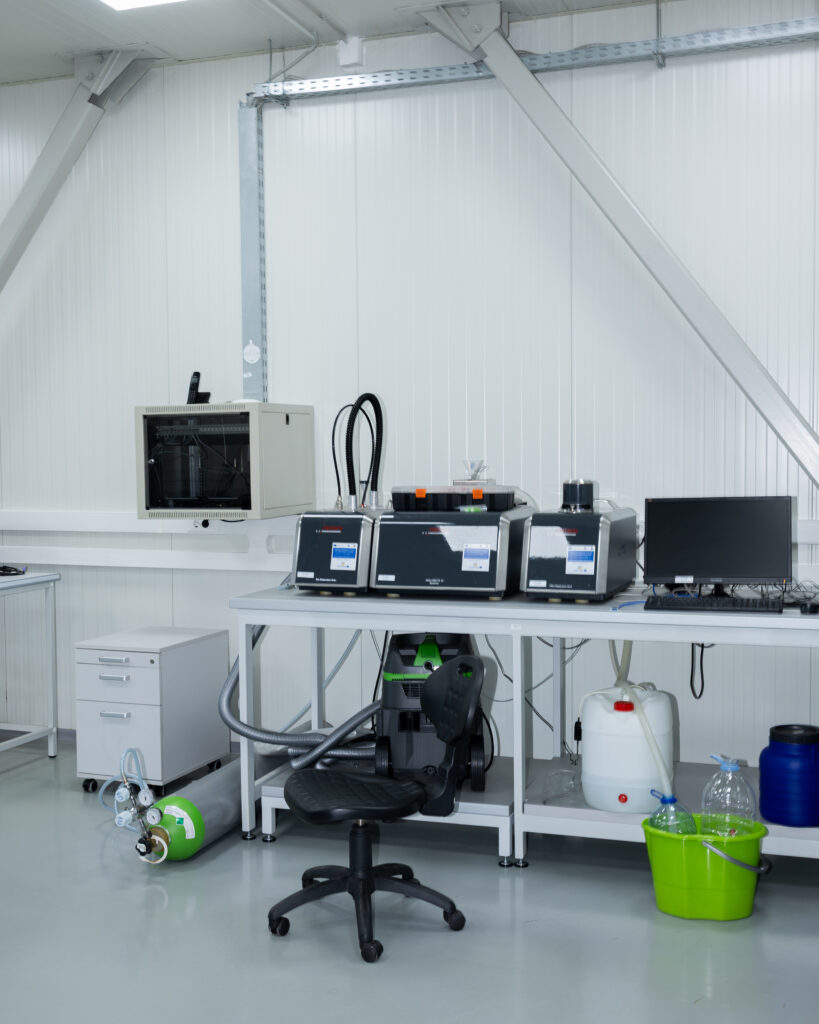
On our way to visit the laboratories, we move through corridors like in a quantum walk, sliding from the old building to the new one. Instruments, devices and many tiny samples — spectrometers, vacuum chambers, thin-film deposition units. The researchers’ explanations are dense — the kind of data you need to digest for the rest of the day.
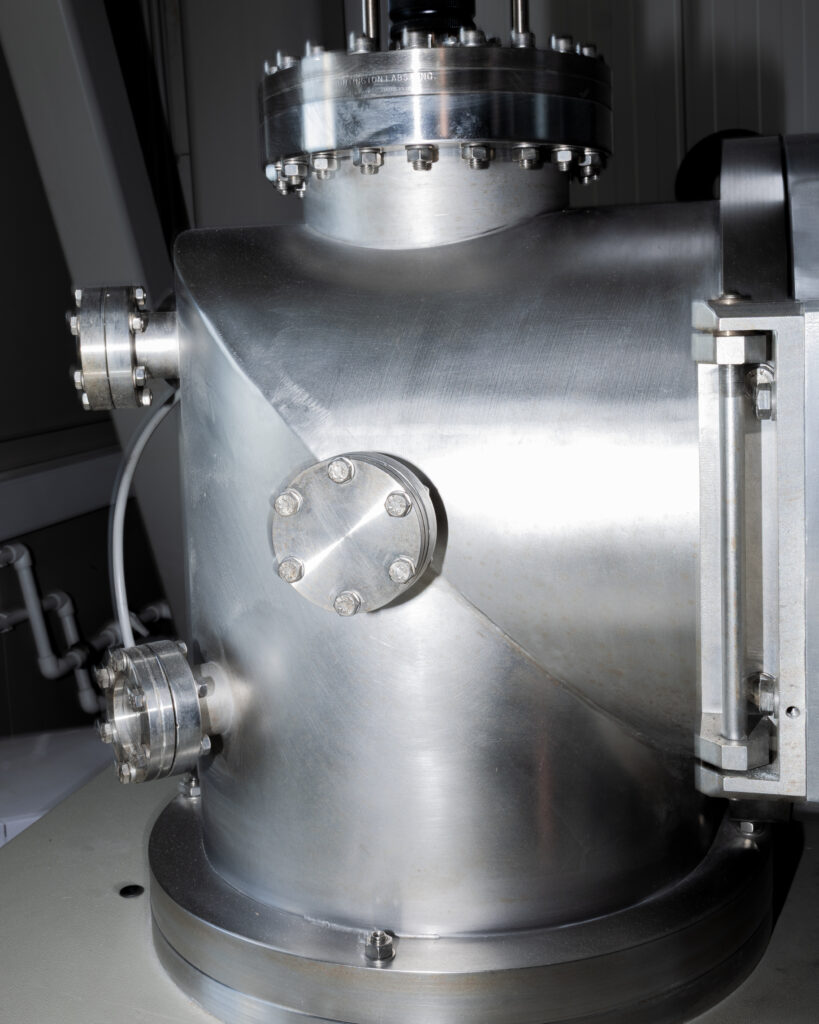
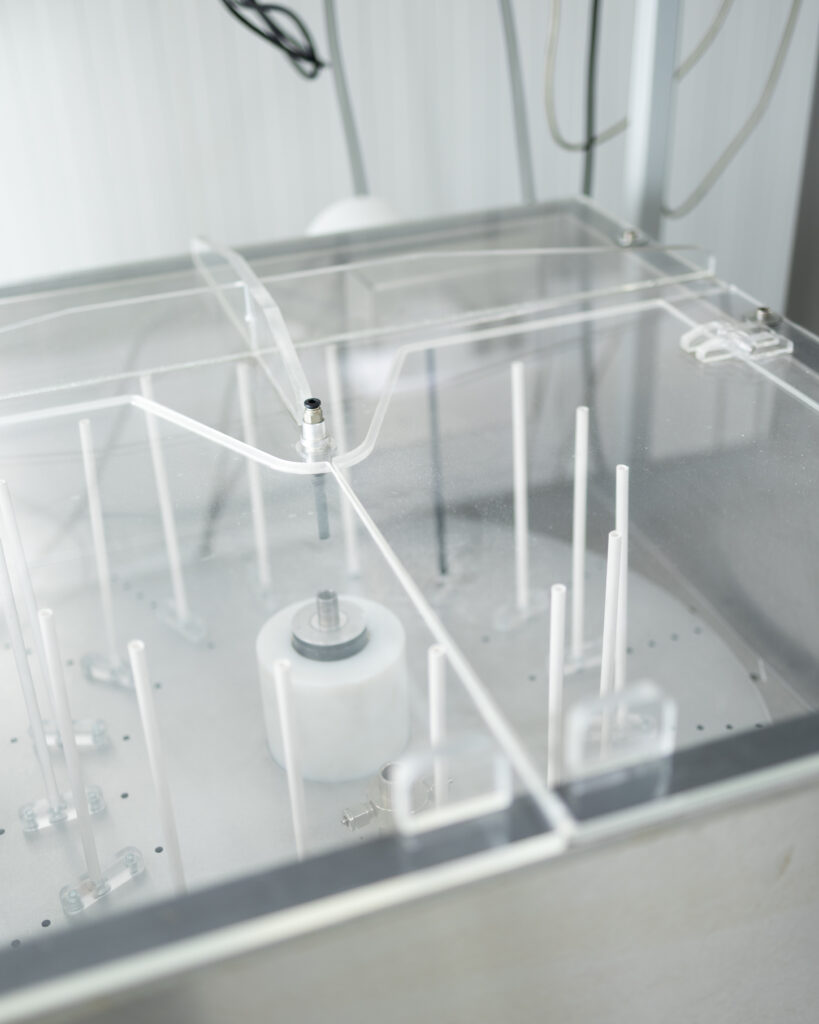
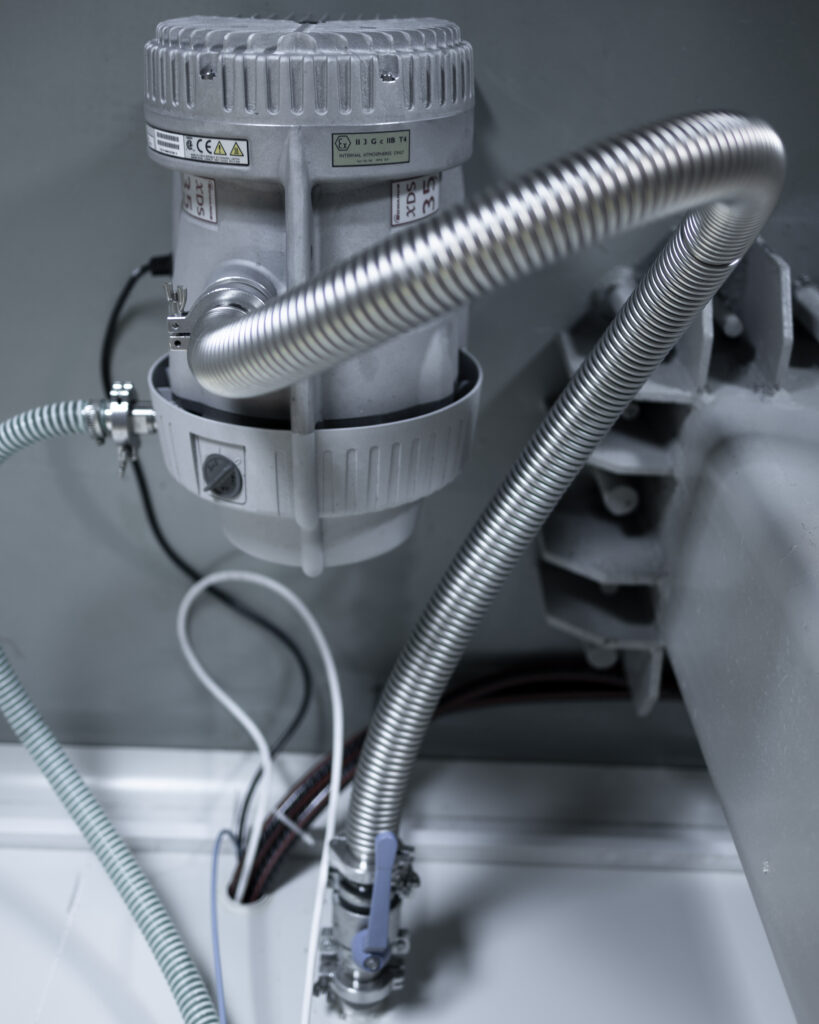
The instruments look like sculptural forms. Has the atmosphere become the artwork itself? Our hosts explain precisely the methods, the structure of their research on new material development. Matter under a birth sign?
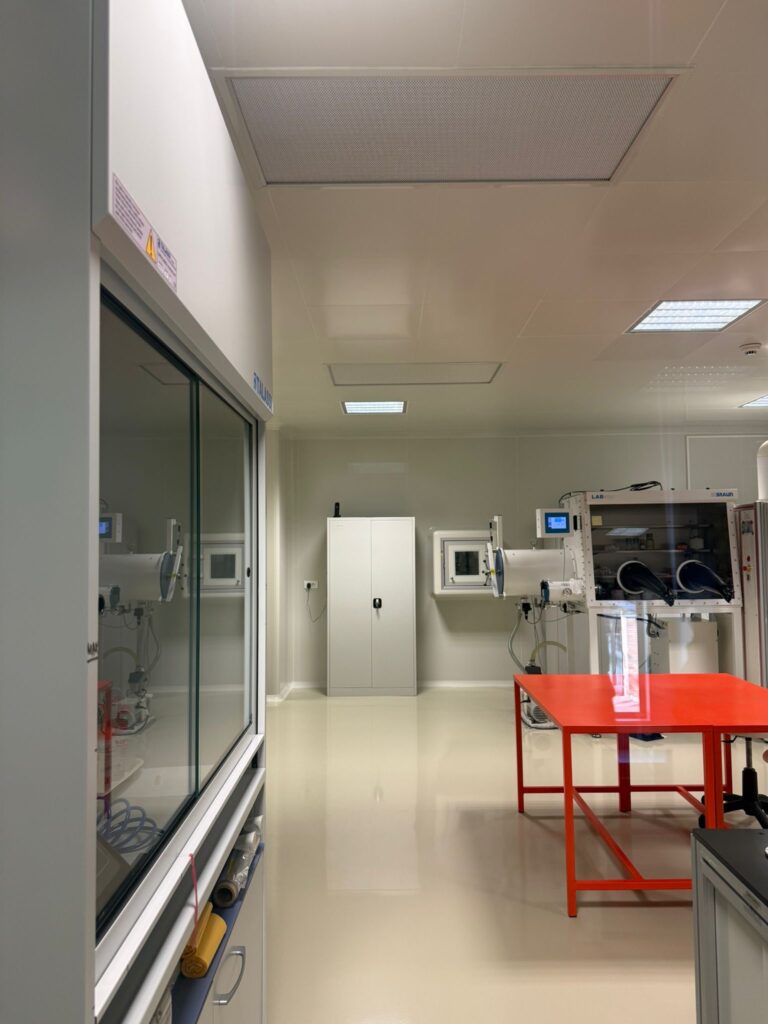
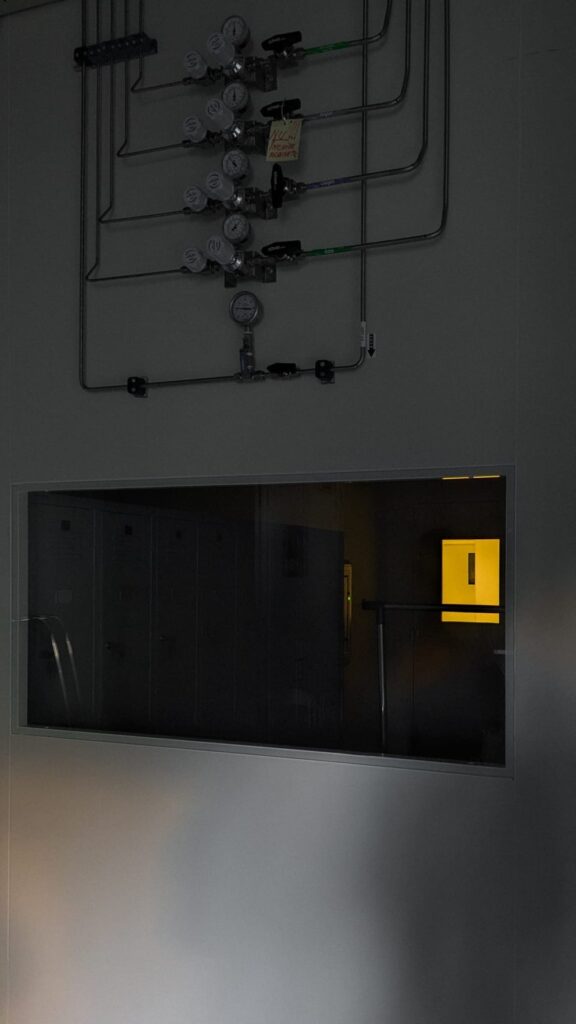
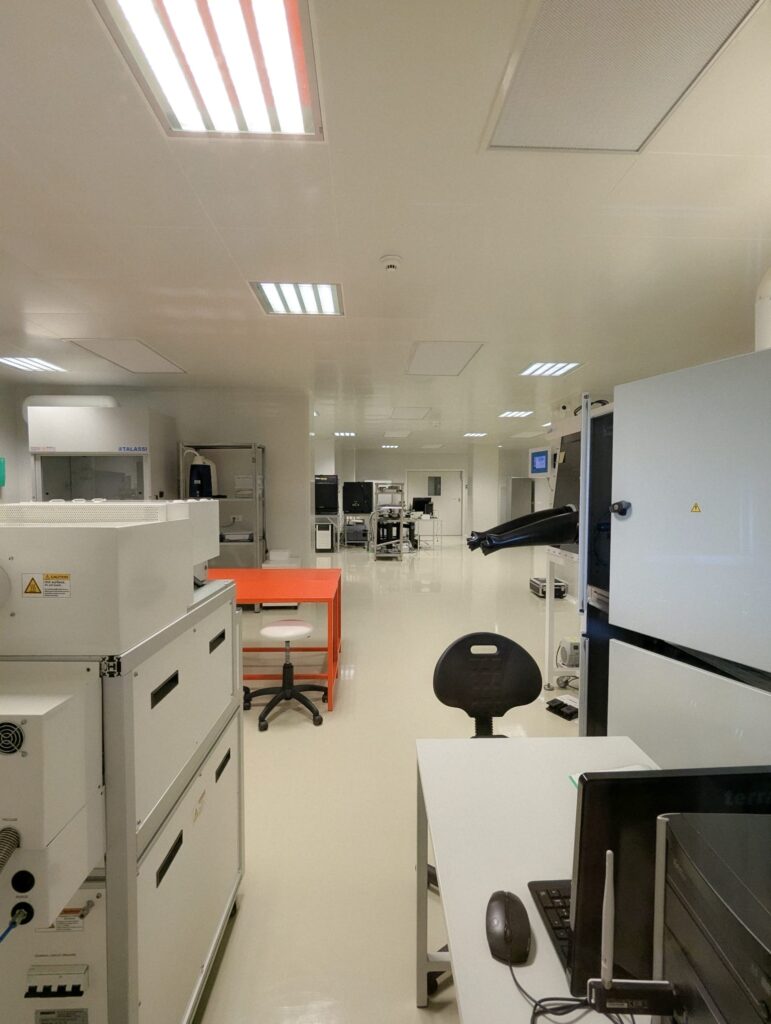
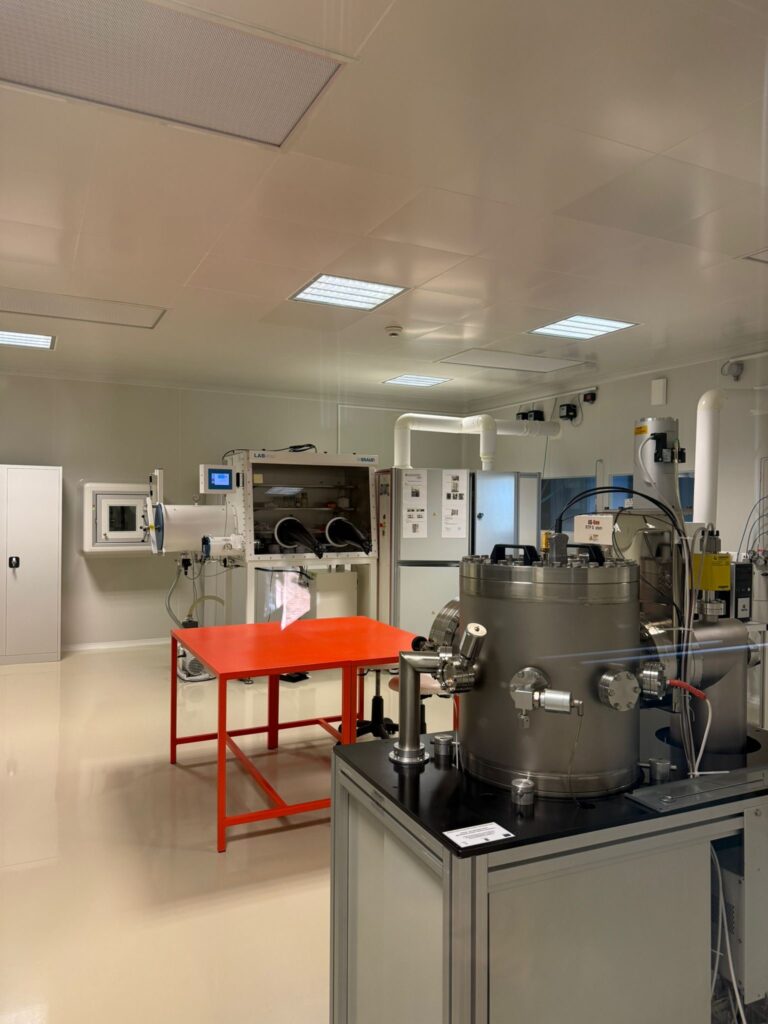
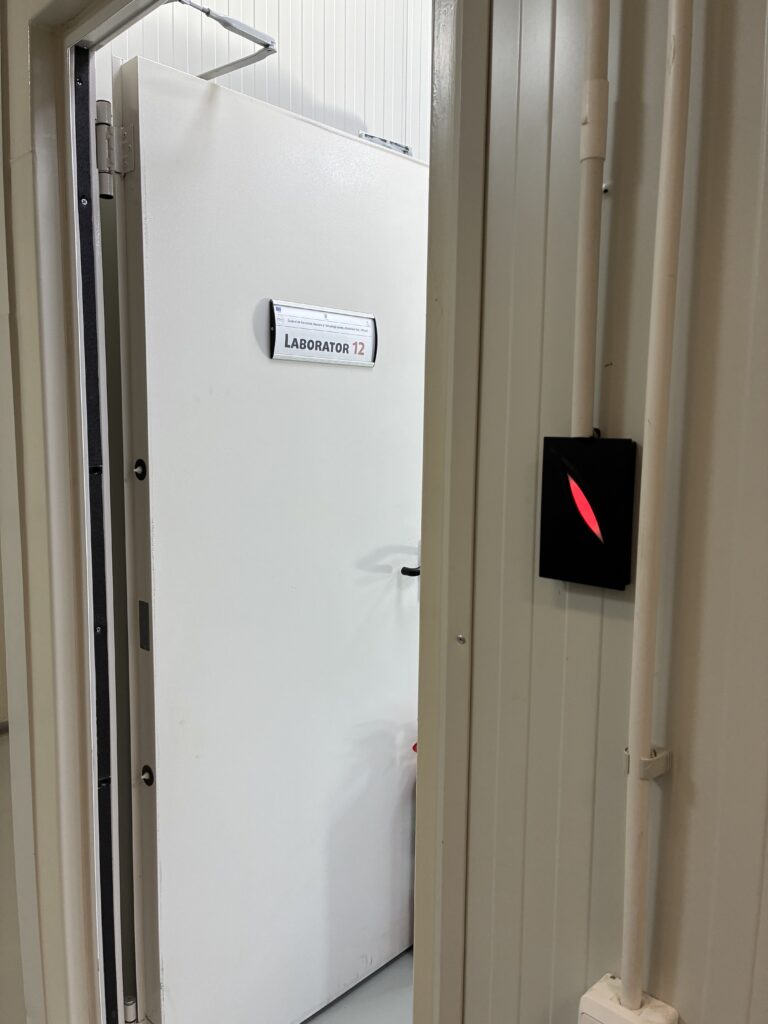
The most impressive part of the visit seems to be the clean rooms. Either you enter dressed like a cosmonaut, or you don’t at all, remaining a dazed spectator at the windows, collecting through camera lenses the strange, space-platform-like atmosphere. A detail — in the sumptuous, almost biting stillness of the room, a pencil on the desk is pre-packed in a transparent, sterilized plastic package. Another detail — black rubber gloves waiting for human hands to inhabit them and perform tests inside a huge operational device. Another detail — a bright red desk in the middle of a white and silver lab, chosen on purpose by the scientists to break such monotony. Many other details. We, the artists, perhaps unconsciously, began to photograph more intensely. The act of framing becomes a way to negotiate our presence here. Through the camera, the laboratory ceases to be only a place of measurement and turns into a field of perception. Each frame turns abstraction into an affective feedback — a personal shelter.
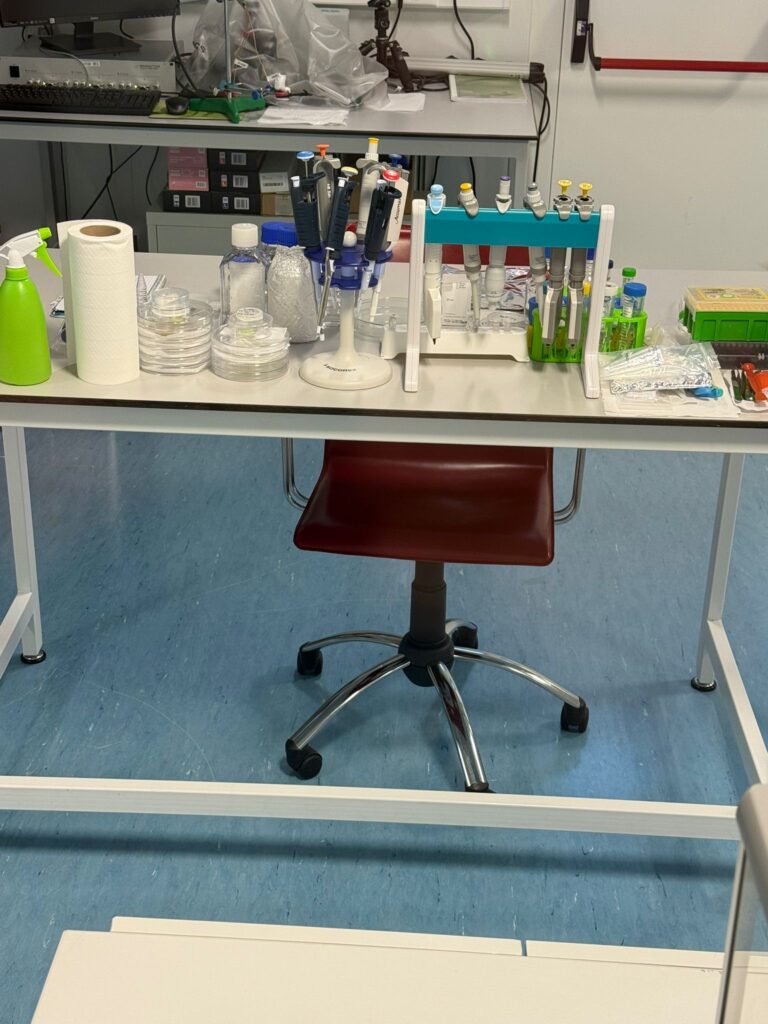
At the end, a brief courtyard walk. Roses, brutalist yard chairs in ‘The Table of Silence’ aesthetic, reminiscent of past decades, a few more answers to our questions and we’re set to leave — the dedicated host is eager to discover the results of a test — a small Petri plate mirroring the passion and Sisyphean optimism of a scientist.
On our way home, many topics converge from science to creationism. Entering back into the denser city traffic, to the dusk of the day, I write in my notes: science appears to be not about control, but attention — a concise gamble of measure and intuition.
Special thanks to our institutional partner INCDFM.
—
Sunlight cuts through the autumn midday air with almost clinical precision. Clearly, light behaves differently here, as if rehearsed by decades of observation. The city’s architecture still carries the imprint of an era that believed deeply in progress — measured lines, large volumes, functional futurism.
Măgurele remains one of Romania’s most concentrated scientific zones — a campus of research bodies built on the optimism of midcentury rationalism. There are several research institutes here, placing this city on a scientific platform that ends with the Institute of Nuclear Engineering. It’s in the forest, they say, leaving the mind to wonder if we’re dealing with hi-tech fairytales. A very warm welcome from our hosts — the director charmingly opens the dialogue, placing the skin territory directly under the research magnifying glass. We’re introduced to the intricate and complex functions that skin performs, witnessing a very accurate and complete physical portrayal of the largest sensorial human organ. Skin may sound like a deceptively simple subject, but as our hosts underline — it’s infinitely complex, a living interface constantly negotiating between exposure and protection. The conversation moves seamlessly between biophysics and biomedical engineering — between measurable function and theoretical implications. It sometimes slides back to the last century, when the Institute was founded, or, on a lighter trivia note, to who first managed to place the magnetic tape - cassette on the market — the Europeans or the Americans.
Skin is presented to us not only as a surface but also as a dynamic system of exchange. Some current investigations at the Institute focus on transdermal delivery: how active substances can be transported through epidermal layers by means of advanced polymeric devices. The precision of their work is outstanding — every variable measured, every hypothesis built from empirical data, months of trial and error until one path of research becomes plausible or conclusive.
There’s something profoundly aesthetic in this precision — the way molecules are ‘persuaded,’ not forced, to pass through a membrane. The conversation unfolds like a duet between biology and physics, with occasional notes of poetry. We speak of membranes, of transmission, of the subtle and unceasingly negotiated permeability. The discussion soon extends to material science more broadly — to molecular interactions, particle diffusion and the structural behavior of compounds at the micro and nanoscale. It is a reminder that skin, like any interface, operates through physics before it becomes metaphor, by any understanding. At one point, the curator of our artists’ team introduces a conceptual tangent drawn from Didier Anzieu’s theory of the Moi-Peau (EgoSkin) — Anzieu proposed that the self is first experienced through a “psychic skin,” one that acquires holes and seams in infancy, a membrane marked by the early ruptures of contact and absence. To that, the director noted that in material science, the notion of selective permeability defines integrity rather than threatening it. The correspondence between psychic and biological porosity suddenly became corpus in the soft afternoon shades.
On our way to visit the laboratories, we move through corridors like in a quantum walk, sliding from the old building to the new one. Instruments, devices and many tiny samples — spectrometers, vacuum chambers, thin-film deposition units. The researchers’ explanations are dense — the kind of data you need to digest for the rest of the day.
The instruments look like sculptural forms. Has the atmosphere become the artwork itself? Our hosts explain precisely the methods, the structure of their research on new material development. Matter under a birth sign?
The most impressive part of the visit seems to be the clean rooms. Either you enter dressed like a cosmonaut, or you don’t at all, remaining a dazed spectator at the windows, collecting through camera lenses the strange, space-platform-like atmosphere. A detail — in the sumptuous, almost biting stillness of the room, a pencil on the desk is pre-packed in a transparent, sterilized plastic package. Another detail — black rubber gloves waiting for human hands to inhabit them and perform tests inside a huge operational device. Another detail — a bright red desk in the middle of a white and silver lab, chosen on purpose by the scientists to break such monotony. Many other details. We, the artists, perhaps unconsciously, began to photograph more intensely. The act of framing becomes a way to negotiate our presence here. Through the camera, the laboratory ceases to be only a place of measurement and turns into a field of perception. Each frame turns abstraction into an affective feedback — a personal shelter.
At the end, a brief courtyard walk. Roses, brutalist yard chairs in ‘The Table of Silence’ aesthetic, reminiscent of past decades, a few more answers to our questions and we’re set to leave — the dedicated host is eager to discover the results of a test — a small Petri plate mirroring the passion and Sisyphean optimism of a scientist.
On our way home, many topics converge from science to creationism. Entering back into the denser city traffic, to the dusk of the day, I write in my notes: science appears to be not about control, but attention — a concise gamble of measure and intuition.
Special thanks to our institutional partner INCDFM.
MINITREMU LIBRARY
In progress